
Digital Assets After Death: How to Protect Your Online Legacy
In today’s digital world, our online lives are vast and deeply intertwined with our identities, relationships, and finances. From social media profiles and email accounts to cryptocurrencies and digital photo libraries, digital assets are a significant part of what we own and cherish. Yet despite their importance, many people overlook how to protect these assets when planning their estate. Without proper arrangements, loved ones may face challenges accessing, managing, or inheriting these digital belongings after death. Understanding how to protect your online legacy is essential in 2025, as UK law and technology evolve to catch up with the realities of digital life.
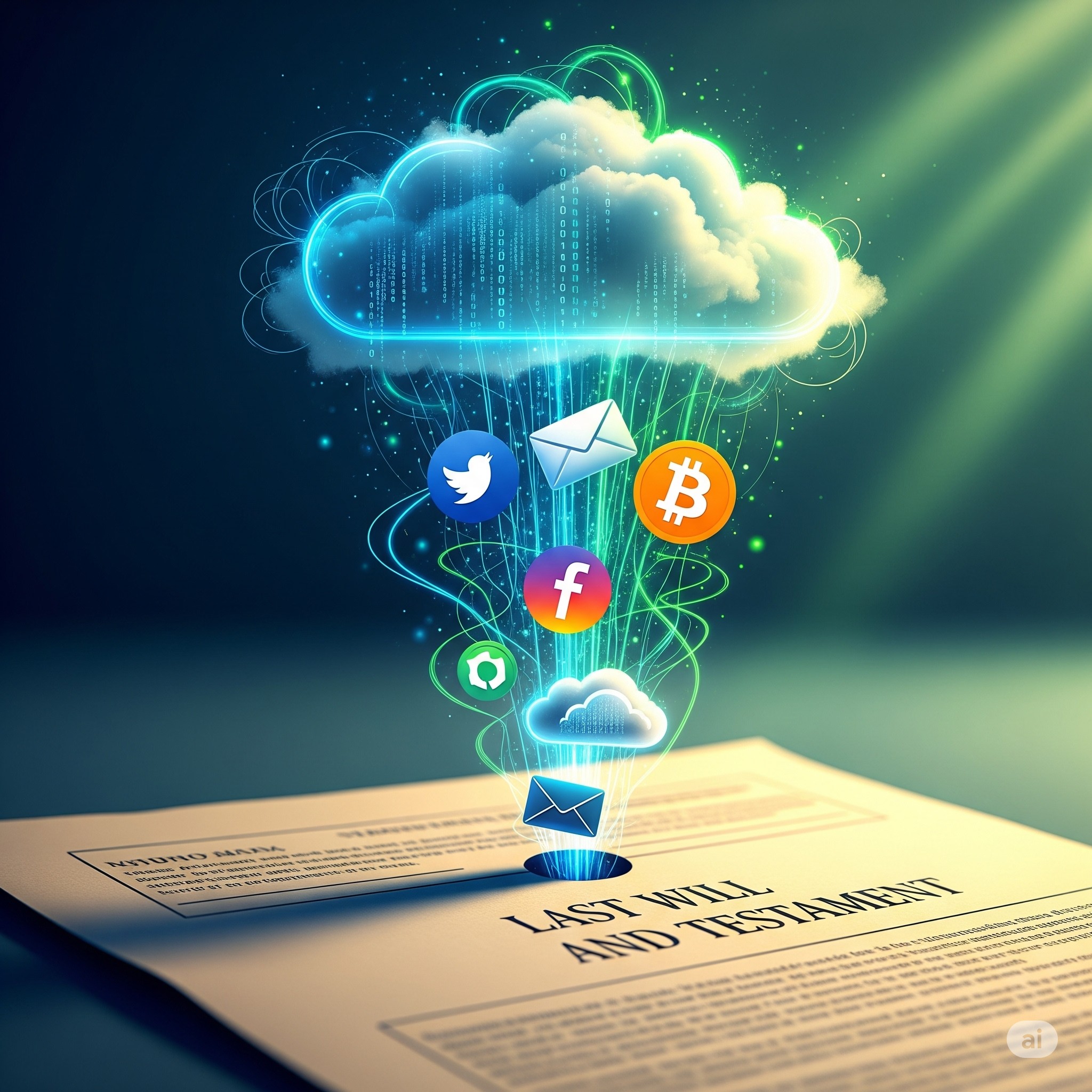
Digital assets encompass a wide variety of online property. This includes social media accounts such as Facebook, Instagram, or Twitter/X, email accounts from services like Gmail or Outlook, cloud storage platforms like Google Drive or iCloud, and digital content such as blogs, websites, or domain names. Financial digital assets have become especially important, including online banking, investment platforms, and cryptocurrencies such as Bitcoin and Ethereum. Some of these assets have clear monetary value, while others hold sentimental worth. For example, digital photo albums preserve precious memories, while tokenized art or NFTs can represent significant investments.
The challenge many estates face is that digital assets do not always follow traditional laws of inheritance, and accessing these assets can be complicated by privacy rules, password protections, and terms of service agreements. Unlike physical assets that an executor can easily locate and distribute, digital accounts are often encrypted or locked behind systems that prevent anyone from accessing them without explicit permission. Many online platforms require account holders to designate “legacy contacts” or provide legal documentation before they release data or allow transfers of ownership. Without such measures in place, digital assets may be permanently lost, deleted, or inaccessible to heirs.
Recognising the increasing importance of digital property, the UK government introduced the Property (Digital Assets etc) Bill in 2025. This legislation marks a significant step forward by officially recognising digital assets as property capable of ownership and succession within probate. The Bill empowers executors and administrators of estates to legally access and manage digital assets on behalf of the deceased, given the appropriate authorizations and privacy safeguards. It also requires cooperation from online service providers to assist estate representatives, reducing the legal ambiguities associated with digital inheritance. This means that for the first time, heirs have clearer rights to digital property, facilitating smoother transfers and reducing disputes.
Protecting your digital legacy begins with taking inventory. The first step is to make a comprehensive list of all your digital accounts and assets—ranging from email and social media to online banking, subscriptions, blogs, and cryptocurrency wallets. It’s crucial to include even small or infrequently used accounts, as some services may retain value or sentimental importance. Alongside this list, securely recording passwords and login details in an encrypted password manager is recommended. Importantly, never include passwords directly in a will or unprotected document, as wills become public during probate.
Once you have a clear overview of your digital footprint, you should decide what happens to each asset after you pass away. Consider whether you want certain accounts closed, memorialised, or transferred to specific individuals. For example, social media platforms often offer options to memorialise profiles, allowing loved ones to post tributes while preserving privacy. For financial accounts or online businesses, you may want to ensure continuity or assign management to heirs capable of handling the assets responsibly. Clear instructions help avoid confusion and ensure your wishes are respected.
An important part of digital estate planning is appointing a digital executor—a person knowledgeable about technology who can manage, access, and distribute your digital assets according to your wishes. This role can be the same as the executor of your will, but given the technical complexities involved, some people choose a separate digital executor. Communicating clearly with that person about your digital asset inventory and plans is essential to avoid delays or disputes.
Many major online services have integrated legacy management tools. For instance, Facebook allows users to designate legacy contacts who can manage parts of the deceased’s account. Google’s Inactive Account Manager enables users to decide what happens to emails, photos, and other data if their account becomes inactive. Using these official tools adds an additional layer of security and ensures smoother transitions for your digital property.
Including digital assets in your official will or estate planning documents is crucial. A digital estate plan should outline how you want your digital presence handled, who has authority over your digital property, and any specific instructions for various accounts. Consulting a solicitor with experience in digital estate and succession planning ensures your wishes have legal force and that the relevant laws are followed. This legal backing can prevent family disputes and facilitate probate.
Regularly updating your digital legacy plan is equally important. Digital assets and platforms evolve rapidly—new accounts get created, some become obsolete, and passwords change. Keeping your inventory and instructions current ensures your estate plan reflects your true intentions and that no valuable assets are overlooked.
Without proper planning, accessing digital assets after death can be difficult or impossible. Privacy restrictions and legal hurdles mean relatives or executors may not inherit valuable or sentimental assets, leading to frustration and loss. If someone dies intestate—without a valid will covering digital assets—these assets may not be included in the estate distribution, potentially vanishing from reach. In the worst cases, accounts may be deleted by service providers following periods of inactivity, wiping out digital legacies entirely.
In conclusion, your digital legacy is as important as any physical possessions you own. Taking proactive steps to identify, protect, and legally transfer your digital assets benefits both your heirs and your peace of mind. By working with legal professionals experienced in digital estate planning and utilising modern digital legacy tools, you can ensure your online presence and digital wealth are preserved and responsibly managed for the future. The digital age requires us to rethink traditional notions of inheritance—make sure your online life does not fade away but remains secure for those who matter most.